
Ice tea vs Chinò
Overall, Ice tea has the better nutritional profile on the measures we compare. It wins on 4 of our comparison points versus 0.
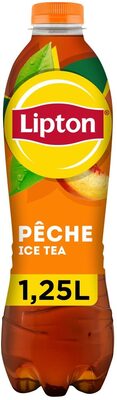
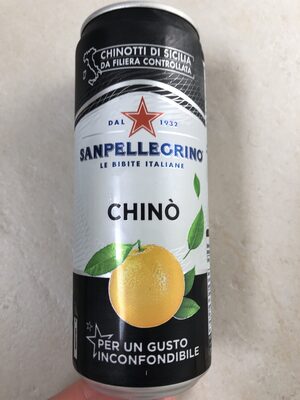
Nutrition per 100 g
| Nutrient | Ice tea | Chinò |
|---|---|---|
| Nutri-Score | d | e |
| NOVA group | 4 | 4 |
| Calories | 13 kcal | 38 kcal |
| Fat | 0 g | 0 g |
| Saturated fat | 0 g | — |
| Sugars | 3 g | 8.9 g |
| Salt | 0 g | 0 g |
| Protein | 0 g | 0 g |
| Additives | 6 | 3 |
| Allergens | None listed | None listed |
Green = better value for that nutrient (less sugar, fat, salt and calories; more fiber and protein).
Key differences
- Ice tea has 66% fewer calories (13 kcal vs 38 kcal).
- Ice tea has 66% less sugar (3 g vs 8.9 g).
- Ice tea has the better Nutri-Score.
Ingredients
Ice tea
Eau,sucre,fructose,acidifiants (acide citrique, acide malique),extrait de thé noir⁽¹⁾ (0,12%),jus de pêche à base de concentré (0,1%),correcteur d'acidité (citrate trisodique),arômes,antioxydant (acide ascorbique),édulcorant (Glycosides de stéviol issus de Stevia),⁽¹⁾ Certifié Rainforest Alliance.,Plus d'informations sur ra.org.,People and nature = l'humain et la nature.
Chinò
Water, sugar, carbon dioxide, flavourings, colouring E150d, citric acid, chinotto extract 0.05%, salt, ascorbic acid
FAQ
Which is healthier: Ice tea or Chinò?
Overall, Ice tea has the better nutritional profile on the measures we compare. We compare Nutri-Score, processing level and seven nutrients per 100 g. Your own needs (for example low sugar or high protein) may make a different choice better for you.
Which has fewer calories?
Ice tea has fewer calories: 13 kcal versus 38 kcal per 100 g.
Which has less sugar?
Ice tea has less sugar: 3 g versus 8.9 g per 100 g.