
Filets de poulet rôti vs Sweet and Salty Popcorn
Overall, Filets de poulet rôti has the better nutritional profile on the measures we compare. It wins on 7 of our comparison points versus 2.
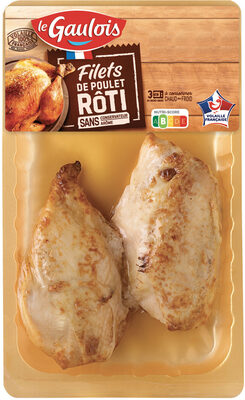
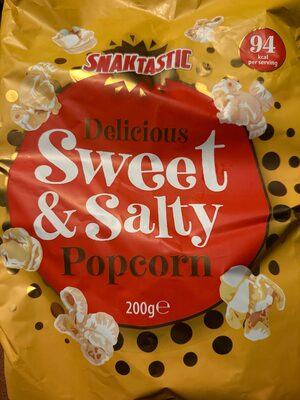
Nutrition per 100 g
| Nutrient | Filets de poulet rôti | Sweet and Salty Popcorn |
|---|---|---|
| Nutri-Score | a | c |
| NOVA group | 4 | — |
| Calories | 136 kcal | 470 kcal |
| Fat | 4.4 g | 20 g |
| Saturated fat | 1.3 g | 1.7 g |
| Sugars | 0 g | 15 g |
| Salt | 1.1 g | 0 g |
| Fiber | 0 g | 7 g |
| Protein | 24 g | 7 g |
| Additives | 0 | 0 |
| Allergens | None listed | None listed |
Green = better value for that nutrient (less sugar, fat, salt and calories; more fiber and protein).
Key differences
- Filets de poulet rôti has 71% fewer calories (136 kcal vs 470 kcal).
- Filets de poulet rôti has 78% less fat (4.4 g vs 20 g).
- Filets de poulet rôti has 24% less saturated fat (1.3 g vs 1.7 g).
- Filets de poulet rôti has no sugar, while Sweet and Salty Popcorn has 15 g.
- Sweet and Salty Popcorn has no salt, while Filets de poulet rôti has 1.1 g.
- Sweet and Salty Popcorn has 100% more fiber (7 g vs 0 g).
- Filets de poulet rôti has 71% more protein (24 g vs 7 g).
- Filets de poulet rôti has the better Nutri-Score.
Ingredients
Filets de poulet rôti
Flets de poulet, huile de tournesol, sucre roux, sirop de glucose de blé protéines de pois, fibres de carotte
Sweet and Salty Popcorn
00 509408 ays 9a Can f www er nacl Lei 6,c/ e prod Kand igh gister the WALKERS Loga, averag ts C2023. SNAKTAST C Delicious Sweet & Salty Hepcorn 200ge
FAQ
Which is healthier: Filets de poulet rôti or Sweet and Salty Popcorn?
Overall, Filets de poulet rôti has the better nutritional profile on the measures we compare. We compare Nutri-Score, processing level and seven nutrients per 100 g. Your own needs (for example low sugar or high protein) may make a different choice better for you.
Which has fewer calories?
Filets de poulet rôti has fewer calories: 136 kcal versus 470 kcal per 100 g.
Which has less sugar?
Filets de poulet rôti has less sugar: 0 g versus 15 g per 100 g.