
Eiscaffee Jacobs ice coffee vs Caramel Latte
Overall, Caramel Latte has the better nutritional profile on the measures we compare. It wins on 3 of our comparison points versus 2.
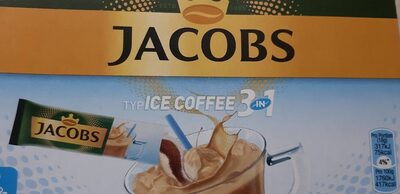
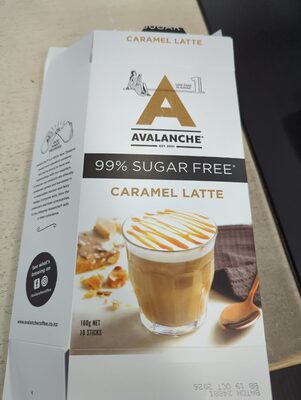
Nutrition per 100 g
| Nutrient | Eiscaffee Jacobs ice coffee | Caramel Latte |
|---|---|---|
| Nutri-Score | — | — |
| NOVA group | 4 | 4 |
| Calories | 404 kcal | 200 kcal |
| Fat | 8.2 g | 7.5 g |
| Saturated fat | 8.1 g | 7.5 g |
| Sugars | 57 g | 10.6 g |
| Salt | 0.7 g | 1.2 g |
| Fiber | 2.3 g | 6.3 g |
| Protein | 7.7 g | 6.9 g |
| Additives | 4 | 6 |
| Allergens | None listed | Milk |
Green = better value for that nutrient (less sugar, fat, salt and calories; more fiber and protein).
Key differences
- Caramel Latte has 50% fewer calories (200 kcal vs 404 kcal).
- Caramel Latte has 81% less sugar (10.6 g vs 57 g).
- Eiscaffee Jacobs ice coffee has 39% less salt (0.7 g vs 1.2 g).
- Caramel Latte has 63% more fiber (6.3 g vs 2.3 g).
- Eiscaffee Jacobs ice coffee has 11% more protein (7.7 g vs 6.9 g).
- Only Caramel Latte lists: Milk.
Ingredients
Eiscaffee Jacobs ice coffee
Zucker (44%), Magermilchpulver (20%), Glukosesirup, Palmkernöl, löslicher Bohnenkaffee (7,4%), Milcheiweiß, Säureregulator (E340), Aroma, Verdickungsmittel (E415), Emulgator (E481), Trennmittel (E551). Trocken lagern und vor Wärme schützen. LUM3021923 10112023
Caramel Latte
Natural Sweeteners (Erythritol, Stevia), Milk Solids, Glucose Syrup, Coconut Oil, Instant Coffee (10%), Flavour, Salt, Stabiliser (340), Emulsifier (433, 471), Anti-Caking Agent (551), Colour (160a). Contains Milk. May contain traces of soy. Excess consumption may have a laxative effect
FAQ
Which is healthier: Eiscaffee Jacobs ice coffee or Caramel Latte?
Overall, Caramel Latte has the better nutritional profile on the measures we compare. We compare Nutri-Score, processing level and seven nutrients per 100 g. Your own needs (for example low sugar or high protein) may make a different choice better for you.
Which has fewer calories?
Caramel Latte has fewer calories: 200 kcal versus 404 kcal per 100 g.
Which has less sugar?
Caramel Latte has less sugar: 10.6 g versus 57 g per 100 g.