
Creatine Monohydrate vs Ultimate Pre-Workout Cherry Cola
Overall, Creatine Monohydrate has the better nutritional profile on the measures we compare. It wins on 2 of our comparison points versus 0.
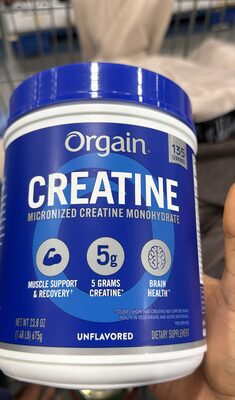
Creatine Monohydrate
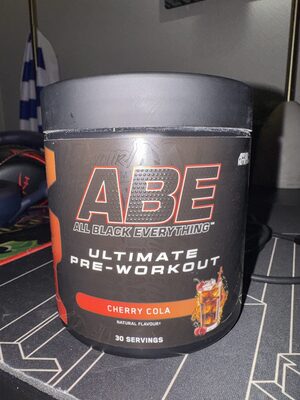
Ultimate Pre-Workout Cherry Cola
Nutrition per 100 g
| Nutrient | Creatine Monohydrate | Ultimate Pre-Workout Cherry... |
|---|---|---|
| Nutri-Score | — | — |
| NOVA group | — | 4 |
| Calories | 0 kcal | 14 kcal |
| Fat | — | 0 g |
| Saturated fat | 0 g | 0 g |
| Sugars | 0 g | 0 g |
| Salt | 0 g | 2.6 g |
| Fiber | 0 g | — |
| Protein | 0 g | 0 g |
| Additives | 0 | 6 |
| Allergens | None listed | Celery, Eggs, Fish, Gluten |
Green = better value for that nutrient (less sugar, fat, salt and calories; more fiber and protein).
Key differences
- Creatine Monohydrate has no calories, while Ultimate Pre-Workout Cherry Cola has 14 kcal.
- Creatine Monohydrate has no salt, while Ultimate Pre-Workout Cherry Cola has 2.6 g.
- Only Ultimate Pre-Workout Cherry Cola lists: Celery, Eggs, Fish, Gluten.
Ingredients
Creatine Monohydrate
5g Micronized Creatine Monohydrate, gluten-free
Ultimate Pre-Workout Cherry Cola
citrulline malate (2:1), creatine monohydrate. beta alanine, acid (citric acid). flavouring, acidity regulator (sodium bicarbonate), taurine. caffeine anhydrous. choline bitartrate (as vitacholine"). anti-caking agents (silicon dioxide. calcium silicate), sweetener (sucralose). colour og (ammonia caramell, niacin (niacinamide). 0.2g vitamin b12 (cyanocobalamin). og og allergens: no common allergens included. produced in a facility that handles milk, sova. eggs. fish, celery, cereals containing gluten and og 0.330g products thereof.
FAQ
Which is healthier: Creatine Monohydrate or Ultimate Pre-Workout Cherry Cola?
Overall, Creatine Monohydrate has the better nutritional profile on the measures we compare. We compare Nutri-Score, processing level and seven nutrients per 100 g. Your own needs (for example low sugar or high protein) may make a different choice better for you.
Which has fewer calories?
Creatine Monohydrate has fewer calories: 0 kcal versus 14 kcal per 100 g.
Which has less sugar?
Creatine Monohydrate has less sugar: 0 g versus 0 g per 100 g.