
Authentic Rice Pudding vs Riz au lait de brebis
Neither product is clearly better overall — it depends on what matters most to you.
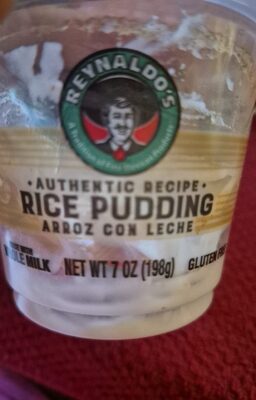
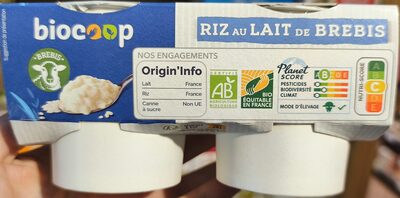
Nutrition per 100 g
| Nutrient | Authentic Rice Pudding | Riz au lait de brebis |
|---|---|---|
| Nutri-Score | c | c |
| NOVA group | 4 | 3 |
| Calories | 121 kcal | 145 kcal |
| Fat | 2.3 g | 6 g |
| Saturated fat | 1.5 g | 4 g |
| Sugars | 14.1 g | 9.8 g |
| Salt | 0.1 g | 0.1 g |
| Fiber | 0.1 g | — |
| Protein | 3 g | 5.4 g |
| Additives | 2 | 0 |
| Allergens | Milk | Milk |
Green = better value for that nutrient (less sugar, fat, salt and calories; more fiber and protein).
Key differences
- Authentic Rice Pudding has 17% fewer calories (121 kcal vs 145 kcal).
- Authentic Rice Pudding has 62% less fat (2.3 g vs 6 g).
- Authentic Rice Pudding has 62% less saturated fat (1.5 g vs 4 g).
- Riz au lait de brebis has 31% less sugar (9.8 g vs 14.1 g).
- Riz au lait de brebis has 44% more protein (5.4 g vs 3 g).
- Riz au lait de brebis is less processed (lower NOVA group).
Ingredients
Authentic Rice Pudding
Whole milk, water, sugar, rice, dried whey, artificial vanilla flavor, modified food starch, sodium benzoate, potassium sorbate, salt, cinnamon, natural flavor. Contains: Milk.
Riz au lait de brebis
Lait entier de brebis pasteurisé* 84 %(France), riz de Camargue IGP rond blanc* (France) 10% (origine France), sucre de canne roux* 6%. Ingrédients issus de l'agriculture biologique. Ingrédients issus du commerce équitable 90% dont 84% issus d'une filière labellisée Bio Équitable en France
FAQ
Which is healthier: Authentic Rice Pudding or Riz au lait de brebis?
Neither product is clearly better overall — it depends on what matters most to you. We compare Nutri-Score, processing level and seven nutrients per 100 g. Your own needs (for example low sugar or high protein) may make a different choice better for you.
Which has fewer calories?
Authentic Rice Pudding has fewer calories: 121 kcal versus 145 kcal per 100 g.
Which has less sugar?
Riz au lait de brebis has less sugar: 9.8 g versus 14.1 g per 100 g.