
Apfel Saft naturtrüb Direktsaft vs Buchweizen Natural
Overall, Buchweizen Natural has the better nutritional profile on the measures we compare. It wins on 3 of our comparison points versus 1.
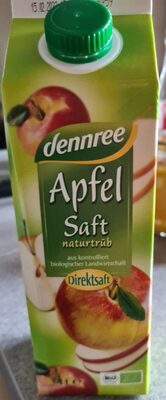
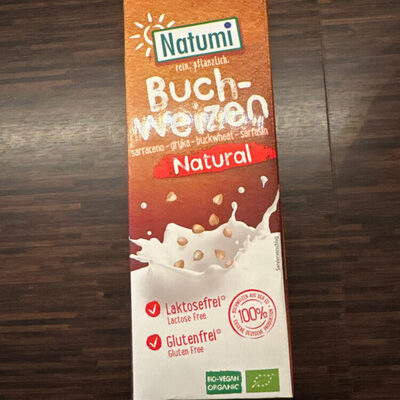
Nutrition per 100 g
| Nutrient | Apfel Saft naturtrüb Direkts... | Buchweizen Natural |
|---|---|---|
| Nutri-Score | — | c |
| NOVA group | 1 | — |
| Calories | 46 kcal | 51 kcal |
| Fat | 0.5 g | 1.1 g |
| Saturated fat | 0.1 g | 0.2 g |
| Sugars | 10.5 g | 5.6 g |
| Salt | 0 g | 0.1 g |
| Fiber | 0.2 g | 0.7 g |
| Protein | 0.5 g | 1.6 g |
| Additives | 0 | 0 |
| Allergens | None listed | None listed |
Green = better value for that nutrient (less sugar, fat, salt and calories; more fiber and protein).
Key differences
- Apfel Saft naturtrüb Direktsaft has 55% less fat (0.5 g vs 1.1 g).
- Buchweizen Natural has 47% less sugar (5.6 g vs 10.5 g).
- Buchweizen Natural has 67% more fiber (0.7 g vs 0.2 g).
- Buchweizen Natural has 69% more protein (1.6 g vs 0.5 g).
Ingredients
Apfel Saft naturtrüb Direktsaft
Apfelsaft naturtrüb
Buchweizen Natural
Getrānk aus fermentiertem Buchweizen, UHT : Wasser, fermentierter Buchweizen *(12,5%), Sonnenblumenöl* Meersalz. *aus kontroliert ökologischem Anbau. Enthält Zucker aus der Buchweizenfermentation. aus EU. Wird in einem Betrieb hergestellt in dem auch Schalentrüchte Soja verarbeitet werden. I Vor Genuss schütteln. Nach dem Ofnen im Kühlschrank aufbewahren und innerhalb von 4 Tagen aufbrauchen. Mindestens haltbar bis: siehe Oberseite. KEINE SPEZIFISCHE SÄUGLINGSAN - FANGSNAHRUNG.
FAQ
Which is healthier: Apfel Saft naturtrüb Direktsaft or Buchweizen Natural?
Overall, Buchweizen Natural has the better nutritional profile on the measures we compare. We compare Nutri-Score, processing level and seven nutrients per 100 g. Your own needs (for example low sugar or high protein) may make a different choice better for you.
Which has fewer calories?
Apfel Saft naturtrüb Direktsaft has fewer calories: 46 kcal versus 51 kcal per 100 g.
Which has less sugar?
Buchweizen Natural has less sugar: 5.6 g versus 10.5 g per 100 g.