
À cuisiner vs Apéro
Overall, À cuisiner has the better nutritional profile on the measures we compare. It wins on 4 of our comparison points versus 2.
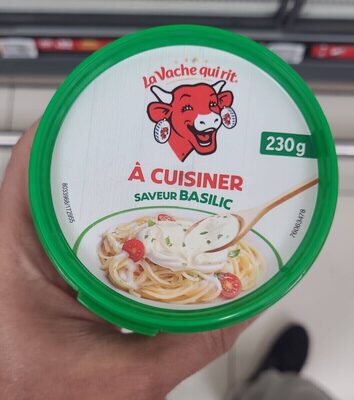
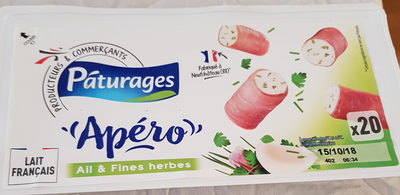
Nutrition per 100 g
| Nutrient | À cuisiner | Apéro |
|---|---|---|
| Nutri-Score | e | e |
| NOVA group | 4 | 4 |
| Calories | 226 kcal | 265 kcal |
| Fat | 19 g | 21.8 g |
| Saturated fat | 12 g | 15.3 g |
| Sugars | 5.8 g | 1.9 g |
| Salt | 1.6 g | 2.2 g |
| Fiber | — | 1 g |
| Protein | 9.5 g | 13 g |
| Additives | 2 | 5 |
| Allergens | Milk | Milk |
Green = better value for that nutrient (less sugar, fat, salt and calories; more fiber and protein).
Key differences
- À cuisiner has 15% fewer calories (226 kcal vs 265 kcal).
- À cuisiner has 13% less fat (19 g vs 21.8 g).
- À cuisiner has 22% less saturated fat (12 g vs 15.3 g).
- Apéro has 67% less sugar (1.9 g vs 5.8 g).
- À cuisiner has 28% less salt (1.6 g vs 2.2 g).
- Apéro has 27% more protein (13 g vs 9.5 g).
Ingredients
À cuisiner
Lait écrémé réhydrater, fromage, beurre, crème, protéines de lait, polyphosphate , basilic, arôme naturel, acide sobique, acide citrique, sel
Apéro
Lait de vache pasteurisé (Origine : France), jambon cru fumé 30% [viande de porc 96%** (Origine : UE), sel, sirop de glucose, arôme naturel, conservateurs : nitrite de sodium et nitrate de potassium, antioxydant: ascorbate de sodium], crème* de vache pasteurisée (Origine: France), amidon modifié de tapioca, sel, ail déshydraté 0,76%, persil déshydraté 0,13%, poivre en poudre, conservateur: acide sorbique, ferments lactiques*, ciboulette déshydratée 0,006%. *dont lait. ** pourcentage exprimé par rapport au jambon cru fumé.
FAQ
Which is healthier: À cuisiner or Apéro?
Overall, À cuisiner has the better nutritional profile on the measures we compare. We compare Nutri-Score, processing level and seven nutrients per 100 g. Your own needs (for example low sugar or high protein) may make a different choice better for you.
Which has fewer calories?
À cuisiner has fewer calories: 226 kcal versus 265 kcal per 100 g.
Which has less sugar?
Apéro has less sugar: 1.9 g versus 5.8 g per 100 g.