
300G Cocobat Haribo vs Lakritz Schnecken
Overall, Lakritz Schnecken has the better nutritional profile on the measures we compare. It wins on 5 of our comparison points versus 0.
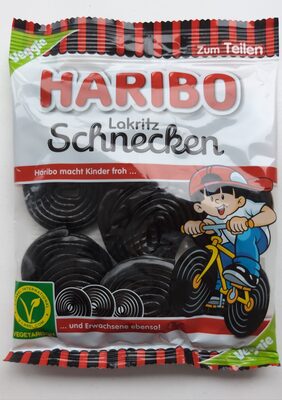
Nutrition per 100 g
| Nutrient | 300G Cocobat Haribo | Lakritz Schnecken |
|---|---|---|
| Nutri-Score | e | e |
| NOVA group | 4 | 4 |
| Calories | 364 kcal | 327 kcal |
| Fat | 3.9 g | 0.5 g |
| Saturated fat | 1.9 g | 0.1 g |
| Sugars | 52 g | 42 g |
| Salt | 1 g | 1.2 g |
| Protein | 2.3 g | 3.3 g |
| Additives | 5 | 2 |
| Allergens | Gelatin, Gluten, Milk | Gluten, Weizenmehl |
Green = better value for that nutrient (less sugar, fat, salt and calories; more fiber and protein).
Key differences
- Lakritz Schnecken has 10% fewer calories (327 kcal vs 364 kcal).
- Lakritz Schnecken has 87% less fat (0.5 g vs 3.9 g).
- Lakritz Schnecken has 95% less saturated fat (0.1 g vs 1.9 g).
- Lakritz Schnecken has 19% less sugar (42 g vs 52 g).
- Lakritz Schnecken has 30% more protein (3.3 g vs 2.3 g).
- Only 300G Cocobat Haribo lists: Gelatin, Milk.
- Only Lakritz Schnecken lists: Weizenmehl.
Ingredients
300G Cocobat Haribo
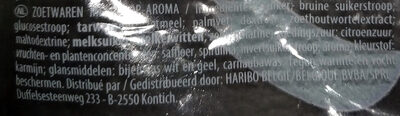
sugar, molasses sugar syrup, glucose syrup, wheat flour, starch, palm fat, dextrose, licorice extract, maltodextrin, lactose, milk protein, salt, gelatin, acidifier: citric acid, fruit and plant concentrates: safflower, spirulina, invert sugar syrup, flavouring, colouring: carmine, glazing agents: white and yellow beeswax, carnauba wax
Lakritz Schnecken
Zuckersirup; Weizenmehl; Glukosesirup; Stärke; Süßholzextrakt (3 %); Kochsalz; Aroma; Säuerungsmittel: Citronensäure; Überzugsmittel: Bienenwachs; Sonnenblumenöl
FAQ
Which is healthier: 300G Cocobat Haribo or Lakritz Schnecken?
Overall, Lakritz Schnecken has the better nutritional profile on the measures we compare. We compare Nutri-Score, processing level and seven nutrients per 100 g. Your own needs (for example low sugar or high protein) may make a different choice better for you.
Which has fewer calories?
Lakritz Schnecken has fewer calories: 327 kcal versus 364 kcal per 100 g.
Which has less sugar?
Lakritz Schnecken has less sugar: 42 g versus 52 g per 100 g.