
Yoghurt Protein Sabor Frutilla Pote vs Yoghurt Proteína Sabor Arándano Pote
Neither product is clearly better overall — it depends on what matters most to you.
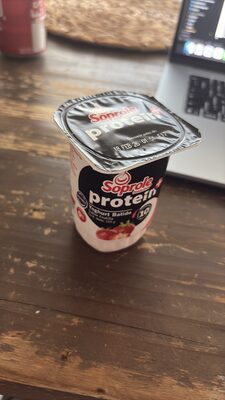
Yoghurt Protein Sabor Frutilla Pote
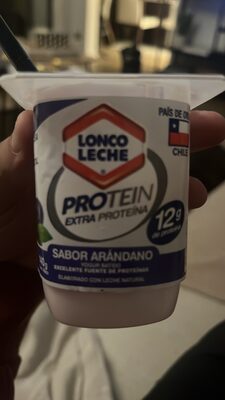
Yoghurt Proteína Sabor Arándano Pote
Nutrition per 100 g
| Nutrient | Yoghurt Protein Sabor Frutil... | Yoghurt Proteína Sabor Aránd... |
|---|---|---|
| Nutri-Score | a | a |
| NOVA group | 4 | 4 |
| Calories | 68 kcal | 65 kcal |
| Fat | 1.8 g | 0.8 g |
| Saturated fat | 0 g | 0.6 g |
| Sugars | 0 g | 5.5 g |
| Salt | 0.2 g | 0 g |
| Fiber | 0 g | 0 g |
| Protein | 6.6 g | 8.8 g |
| Additives | 4 | 2 |
| Allergens | Milk | Milk |
Green = better value for that nutrient (less sugar, fat, salt and calories; more fiber and protein).
Key differences
- Yoghurt Proteína Sabor Arándano Pote has 56% less fat (0.8 g vs 1.8 g).
- Yoghurt Protein Sabor Frutilla Pote has no saturated fat, while Yoghurt Proteína Sabor Arándano Pote has 0.6 g.
- Yoghurt Protein Sabor Frutilla Pote has no sugar, while Yoghurt Proteína Sabor Arándano Pote has 5.5 g.
- Yoghurt Proteína Sabor Arándano Pote has 25% more protein (8.8 g vs 6.6 g).
Ingredients
Yoghurt Protein Sabor Frutilla Pote
Leche natural parcialmente descremada, sólidos lacteos, gelatina, sorbato de potasio, lactasa, sucralosa, cepas de yoghurt (L. bulgaricus y S. thermophilus), estevia, saborizante idéntico a natural y colorante rojo allura AC.
Yoghurt Proteína Sabor Arándano Pote
Leche descremada, sucralosa, estivia (steviol equivalentes), lactosa.
FAQ
Which is healthier: Yoghurt Protein Sabor Frutilla Pote or Yoghurt Proteína Sabor Arándano Pote?
Neither product is clearly better overall — it depends on what matters most to you. We compare Nutri-Score, processing level and seven nutrients per 100 g. Your own needs (for example low sugar or high protein) may make a different choice better for you.
Which has fewer calories?
Yoghurt Proteína Sabor Arándano Pote has fewer calories: 65 kcal versus 68 kcal per 100 g.
Which has less sugar?
Yoghurt Protein Sabor Frutilla Pote has less sugar: 0 g versus 5.5 g per 100 g.