
TREK HIGH PROTEIN Biscoff vs White Chocolate Peanut & Caramel Flavour Vitamin & Protein Bar
Neither product is clearly better overall — it depends on what matters most to you.
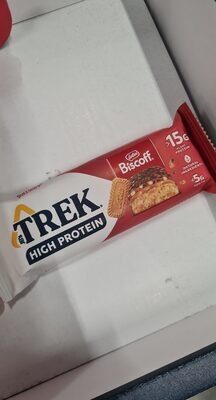
TREK HIGH PROTEIN Biscoff
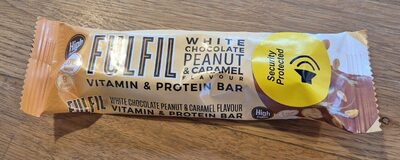
White Chocolate Peanut & Caramel Flavour Vitamin & Protein Bar
Nutrition per 100 g
| Nutrient | TREK HIGH PROTEIN Biscoff | White Chocolate Peanut & Car... |
|---|---|---|
| Nutri-Score | — | d |
| NOVA group | 4 | — |
| Calories | 374 kcal | 376 kcal |
| Fat | 15.6 g | 17 g |
| Saturated fat | 7.6 g | 8.3 g |
| Sugars | 8.6 g | 4.2 g |
| Salt | 0 g | 0.5 g |
| Fiber | 21.8 g | 6.2 g |
| Protein | 29 g | 33 g |
| Additives | 0 | 0 |
| Allergens | None listed | None listed |
Green = better value for that nutrient (less sugar, fat, salt and calories; more fiber and protein).
Key differences
- White Chocolate Peanut & Caramel Flavour Vitamin & Protein Bar has 51% less sugar (4.2 g vs 8.6 g).
- TREK HIGH PROTEIN Biscoff has no salt, while White Chocolate Peanut & Caramel Flavour Vitamin & Protein Bar has 0.5 g.
- TREK HIGH PROTEIN Biscoff has 72% more fiber (21.8 g vs 6.2 g).
- White Chocolate Peanut & Caramel Flavour Vitamin & Protein Bar has 12% more protein (33 g vs 29 g).
Ingredients
TREK HIGH PROTEIN Biscoff
Ge adult/Ingesta chocolate flavour coating (15%) vegetable oils (palm kernel", palm" sunflower), dietary fibre (oligofructose), pea protein, tiger nut flour, fat-reduced
White Chocolate Peanut & Caramel Flavour Vitamin & Protein Bar
H ADA High Protein Low 9 Sugar FU FULFIL प WHITE CHOCOLATE PEANUT & CARAMEL FLAVOUR VITAMIN & PROTEIN BAR WHITE CHOCOLATE PEANUT & CARAMEL FLAVOUR TAN High Low
FAQ
Which is healthier: TREK HIGH PROTEIN Biscoff or White Chocolate Peanut & Caramel Flavour Vitamin & Protein Bar?
Neither product is clearly better overall — it depends on what matters most to you. We compare Nutri-Score, processing level and seven nutrients per 100 g. Your own needs (for example low sugar or high protein) may make a different choice better for you.
Which has fewer calories?
TREK HIGH PROTEIN Biscoff has fewer calories: 374 kcal versus 376 kcal per 100 g.
Which has less sugar?
White Chocolate Peanut & Caramel Flavour Vitamin & Protein Bar has less sugar: 4.2 g versus 8.6 g per 100 g.