
Stickado Walnuss vs Kipfilet
Overall, Kipfilet has the better nutritional profile on the measures we compare. It wins on 7 of our comparison points versus 1.
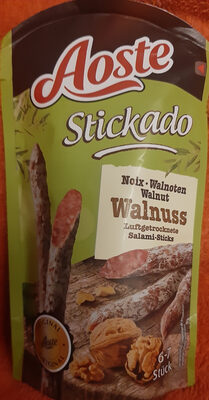
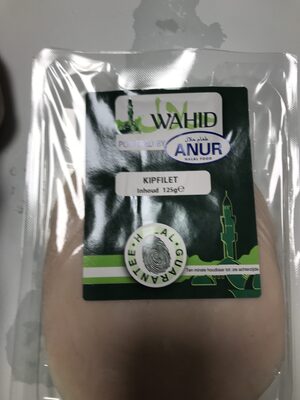
Nutrition per 100 g
| Nutrient | Stickado Walnuss | Kipfilet |
|---|---|---|
| Nutri-Score | e | d |
| NOVA group | 4 | 4 |
| Calories | 536 kcal | 92 kcal |
| Fat | 46 g | 1.7 g |
| Saturated fat | 18 g | 0.5 g |
| Sugars | 3.1 g | 0.5 g |
| Salt | 4.2 g | 2.8 g |
| Protein | 27 g | 14.4 g |
| Additives | 2 | 10 |
| Allergens | Milk, Nuts, Pork | Milk, Soybeans |
Green = better value for that nutrient (less sugar, fat, salt and calories; more fiber and protein).
Key differences
- Kipfilet has 83% fewer calories (92 kcal vs 536 kcal).
- Kipfilet has 96% less fat (1.7 g vs 46 g).
- Kipfilet has 97% less saturated fat (0.5 g vs 18 g).
- Kipfilet has 84% less sugar (0.5 g vs 3.1 g).
- Kipfilet has 33% less salt (2.8 g vs 4.2 g).
- Stickado Walnuss has 47% more protein (27 g vs 14.4 g).
- Kipfilet has the better Nutri-Score.
- Only Stickado Walnuss lists: Nuts, Pork.
- Only Kipfilet lists: Soybeans.
Ingredients
Stickado Walnuss
Pork, WALNUTS (14%), salt, LACTOSE (MILK), dextrose, herbs and spices, preservative: sodium nitrite: starter culture. Casing: collagen, cellulose. Produced using 100g of pork per 100g of finished product.
Kipfilet
kippenvlees 58%, water, mechanisch gesepareerd kippenvlees 8%, aardappelzetmeel, zout, voedingszuren: E325, E262, E327, voedingsvezel (bevat SOJA), stabilisatoren: E407, E451, E450, E452, E139, antioxidanten: E301, E331, conserveermiddel: E250, kruiden, glucosestroop, SOJA-EIWIT, LACTOSE, aroma.
FAQ
Which is healthier: Stickado Walnuss or Kipfilet?
Overall, Kipfilet has the better nutritional profile on the measures we compare. We compare Nutri-Score, processing level and seven nutrients per 100 g. Your own needs (for example low sugar or high protein) may make a different choice better for you.
Which has fewer calories?
Kipfilet has fewer calories: 92 kcal versus 536 kcal per 100 g.
Which has less sugar?
Kipfilet has less sugar: 0.5 g versus 3.1 g per 100 g.