
Protein+ Power vs Yoghurt Protein Sabor Chirimoya Pote
Overall, Protein+ Power has the better nutritional profile on the measures we compare. It wins on 2 of our comparison points versus 1.
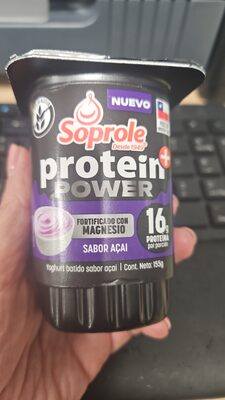
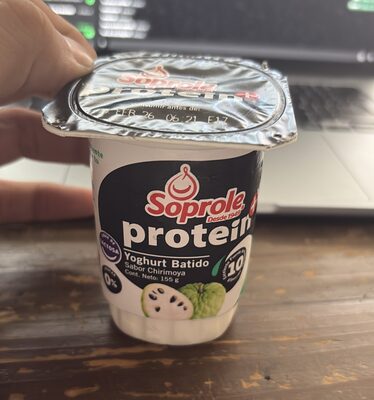
Nutrition per 100 g
| Nutrient | Protein+ Power | Yoghurt Protein Sabor Chirim... |
|---|---|---|
| Nutri-Score | — | a |
| NOVA group | 4 | 4 |
| Calories | 84 kcal | 68 kcal |
| Fat | 1.5 g | 1.8 g |
| Saturated fat | — | 1.3 g |
| Sugars | 6.1 g | 6.3 g |
| Salt | 0.2 g | 0 g |
| Fiber | — | 0 g |
| Protein | 10.4 g | 6.6 g |
| Additives | 6 | 4 |
| Allergens | Milk | Milk |
Green = better value for that nutrient (less sugar, fat, salt and calories; more fiber and protein).
Key differences
- Yoghurt Protein Sabor Chirimoya Pote has 19% fewer calories (68 kcal vs 84 kcal).
- Protein+ Power has 17% less fat (1.5 g vs 1.8 g).
- Protein+ Power has 37% more protein (10.4 g vs 6.6 g).
Ingredients
Protein+ Power
Leche descremada, proteína de leche, agua, almidón modificado, cacao en polvo, estabilizantes (E407, E410), edulcorantes (sucralosa, acesulfame K), saborizante idéntico al natural de chocolate, colorante (E150c).
Yoghurt Protein Sabor Chirimoya Pote
Leche natural parcialmente descremada, sólidos lacteos, gelatina, sorbato de potasio, lactasa, sucralosa, cepas de yoghurt (L. bulgaricus y S. thermophilus), estevia y saborizante idéntico a natural. Elaborado en líneas que también procesan nueces. Dosis de sucralosa: 11,9 mg/100g; 18,5 mg/porción. I.D.A. de sucralosa: 0-15 - mg/kg de peso corporal. Dosis de estevia: 4,9 mg/100g; 7,6 mg/porción. I.D.A. de estevia: 0 - 4 mg/kg de peso corporal.
FAQ
Which is healthier: Protein+ Power or Yoghurt Protein Sabor Chirimoya Pote?
Overall, Protein+ Power has the better nutritional profile on the measures we compare. We compare Nutri-Score, processing level and seven nutrients per 100 g. Your own needs (for example low sugar or high protein) may make a different choice better for you.
Which has fewer calories?
Yoghurt Protein Sabor Chirimoya Pote has fewer calories: 68 kcal versus 84 kcal per 100 g.
Which has less sugar?
Protein+ Power has less sugar: 6.1 g versus 6.3 g per 100 g.