
Plaisir Bio - Cranberry Cassis vs FOR SUPER ABSO Ocean Spray 5 FROM OUR FAMILIES TO
Overall, Plaisir Bio - Cranberry Cassis has the better nutritional profile on the measures we compare. It wins on 2 of our comparison points versus 0.
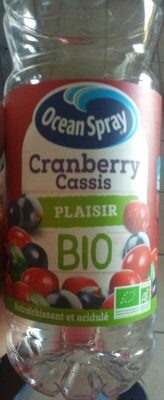
Plaisir Bio - Cranberry Cassis
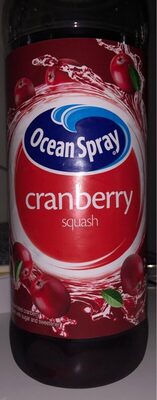
FOR SUPER ABSO Ocean Spray 5 FROM OUR FAMILIES TO
Nutrition per 100 g
| Nutrient | Plaisir Bio - Cranberry Cass... | FOR SUPER ABSO Ocean Spray 5... |
|---|---|---|
| Nutri-Score | e | e |
| NOVA group | 4 | 4 |
| Calories | 41 kcal | 100 kcal |
| Fat | 0 g | 0 g |
| Saturated fat | 0 g | 0 g |
| Sugars | 9.6 g | 23 g |
| Salt | 0 g | 0 g |
| Protein | 0 g | 0 g |
| Additives | 1 | 2 |
| Allergens | None listed | None listed |
Green = better value for that nutrient (less sugar, fat, salt and calories; more fiber and protein).
Key differences
- Plaisir Bio - Cranberry Cassis has 59% fewer calories (41 kcal vs 100 kcal).
- Plaisir Bio - Cranberry Cassis has 58% less sugar (9.6 g vs 23 g).
Ingredients
Plaisir Bio - Cranberry Cassis
Eau, jus de fruit à base de concentré (22%) [cassis (10%), cranberry (10%), pomme (2%)] sucre, arômes naturels, acidifiant (acide citrique).
FOR SUPER ABSO Ocean Spray 5 FROM OUR FAMILIES TO
water, sugar, cranberry juice from concentrate (16%), apple juice from concentrate (4%), acidity regulator (cet acid, natural flavourings, vitamin c preservatives petasi sorbate, sodium metabisulphite), vegetable and fruit concentrate cant, hibiscus, sweetener (sucralose).
FAQ
Which is healthier: Plaisir Bio - Cranberry Cassis or FOR SUPER ABSO Ocean Spray 5 FROM OUR FAMILIES TO?
Overall, Plaisir Bio - Cranberry Cassis has the better nutritional profile on the measures we compare. We compare Nutri-Score, processing level and seven nutrients per 100 g. Your own needs (for example low sugar or high protein) may make a different choice better for you.
Which has fewer calories?
Plaisir Bio - Cranberry Cassis has fewer calories: 41 kcal versus 100 kcal per 100 g.
Which has less sugar?
Plaisir Bio - Cranberry Cassis has less sugar: 9.6 g versus 23 g per 100 g.