
Look Thé Pêche PET 1,5L vs Eau gazeuse aromatisee agrumes select ste marguerite 50cl
Overall, Eau gazeuse aromatisee agrumes select ste marguerite 50cl has the better nutritional profile on the measures we compare. It wins on 4 of our comparison points versus 0.
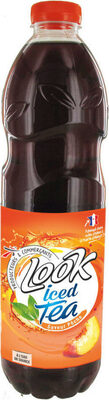
Look Thé Pêche PET 1,5L
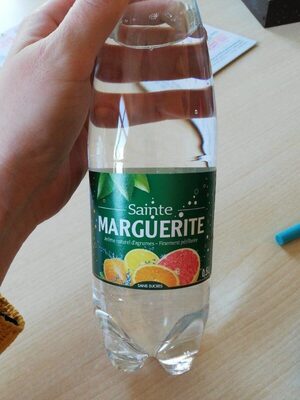
Eau gazeuse aromatisee agrumes select ste marguerite 50cl
Nutrition per 100 g
| Nutrient | Look Thé Pêche PET 1,5L | Eau gazeuse aromatisee agrum... |
|---|---|---|
| Nutri-Score | c | b |
| NOVA group | 4 | 4 |
| Calories | 26 kcal | 0 kcal |
| Fat | 0 g | 0 g |
| Saturated fat | 0 g | 0 g |
| Sugars | 3 g | 0 g |
| Salt | 0 g | 0 g |
| Fiber | 0 g | 0 g |
| Protein | 0.1 g | 0 g |
| Additives | 2 | 0 |
| Allergens | None listed | None listed |
Green = better value for that nutrient (less sugar, fat, salt and calories; more fiber and protein).
Key differences
- Eau gazeuse aromatisee agrumes select ste marguerite 50cl has no calories, while Look Thé Pêche PET 1,5L has 26 kcal.
- Eau gazeuse aromatisee agrumes select ste marguerite 50cl has no sugar, while Look Thé Pêche PET 1,5L has 3 g.
- Eau gazeuse aromatisee agrumes select ste marguerite 50cl has the better Nutri-Score.
Ingredients
Look Thé Pêche PET 1,5L
Eau de source St Benoit (95 %), sucre, acidifiant : acide citrique, extraits de thé (l, 2 g/l), arôme, jus de pêche à base de concentré (0,1 %), antioxydant : acide ascorbique.
Eau gazeuse aromatisee agrumes select ste marguerite 50cl
Eau minérale naturelle gazeuse (source VERNET*) 99,5%, arôme naturel d'agrumes. *Origine: Prades (07) France
FAQ
Which is healthier: Look Thé Pêche PET 1,5L or Eau gazeuse aromatisee agrumes select ste marguerite 50cl?
Overall, Eau gazeuse aromatisee agrumes select ste marguerite 50cl has the better nutritional profile on the measures we compare. We compare Nutri-Score, processing level and seven nutrients per 100 g. Your own needs (for example low sugar or high protein) may make a different choice better for you.
Which has fewer calories?
Eau gazeuse aromatisee agrumes select ste marguerite 50cl has fewer calories: 0 kcal versus 26 kcal per 100 g.
Which has less sugar?
Eau gazeuse aromatisee agrumes select ste marguerite 50cl has less sugar: 0 g versus 3 g per 100 g.