
Lait demi écrémé Calcuum & Vitamine D vs Nido
Overall, Lait demi écrémé Calcuum & Vitamine D has the better nutritional profile on the measures we compare. It wins on 2 of our comparison points versus 1.
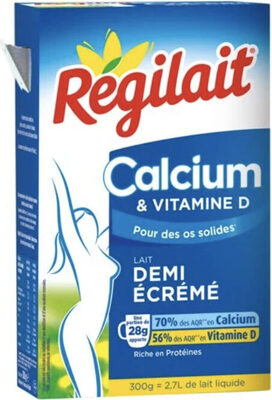
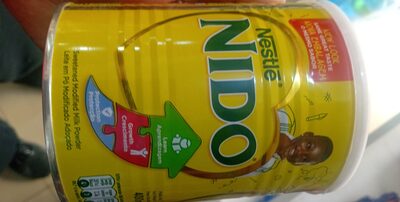
Nutrition per 100 g
| Nutrient | Lait demi écrémé Calcuum & V... | Nido |
|---|---|---|
| Nutri-Score | — | — |
| NOVA group | 4 | 4 |
| Calories | 422 kcal | 420 kcal |
| Fat | 14 g | 11.5 g |
| Saturated fat | 8.3 g | 7.5 g |
| Sugars | 44 g | 46 g |
| Salt | 0.8 g | 1.3 g |
| Fiber | 0 g | 0 g |
| Protein | 30 g | 18 g |
| Additives | 2 | 5 |
| Allergens | Milk, Soybeans | Milk, Soybeans |
Green = better value for that nutrient (less sugar, fat, salt and calories; more fiber and protein).
Key differences
- Nido has 18% less fat (11.5 g vs 14 g).
- Lait demi écrémé Calcuum & Vitamine D has 34% less salt (0.8 g vs 1.3 g).
- Lait demi écrémé Calcuum & Vitamine D has 40% more protein (30 g vs 18 g).
Ingredients
Lait demi écrémé Calcuum & Vitamine D
lait en poudre demi-écrémé, carbonate de calcium, lécithine de soja, acide ascorbique, vitamine D3
Nido
Lait partiellement écrémé, Lactosérum, Maltodextrine, Anti-agglomérant: Carbonate de calcium; Emulsifiant: Lecithine de soia, Vitamines, Pyrophosphate ferrique, Stabilisant : Phosphate disodique, Sulfate de zinc. Allergènes : Contient du LAIT et du SOJA
FAQ
Which is healthier: Lait demi écrémé Calcuum & Vitamine D or Nido?
Overall, Lait demi écrémé Calcuum & Vitamine D has the better nutritional profile on the measures we compare. We compare Nutri-Score, processing level and seven nutrients per 100 g. Your own needs (for example low sugar or high protein) may make a different choice better for you.
Which has fewer calories?
Nido has fewer calories: 420 kcal versus 422 kcal per 100 g.
Which has less sugar?
Lait demi écrémé Calcuum & Vitamine D has less sugar: 44 g versus 46 g per 100 g.