
Kokošja pašteta vs Paté Hígado Cerdo Suave
Overall, Kokošja pašteta has the better nutritional profile on the measures we compare. It wins on 6 of our comparison points versus 0.
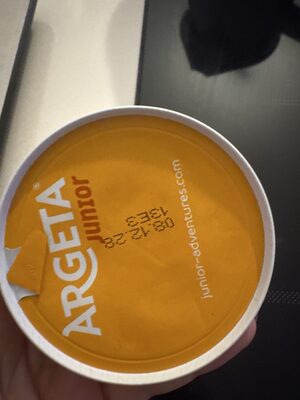
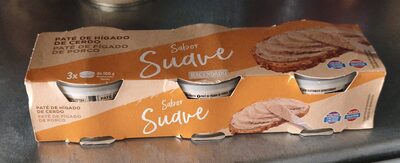
Nutrition per 100 g
| Nutrient | Kokošja pašteta | Paté Hígado Cerdo Suave |
|---|---|---|
| Nutri-Score | c | e |
| NOVA group | 4 | — |
| Calories | 235 kcal | 299 kcal |
| Fat | 19 g | 27.2 g |
| Saturated fat | 3 g | 10.7 g |
| Sugars | 0.7 g | 0.5 g |
| Salt | 1.1 g | 1.3 g |
| Protein | 12 g | 8.3 g |
| Additives | 1 | 0 |
| Allergens | Milk, Soybeans | None listed |
Green = better value for that nutrient (less sugar, fat, salt and calories; more fiber and protein).
Key differences
- Kokošja pašteta has 21% fewer calories (235 kcal vs 299 kcal).
- Kokošja pašteta has 30% less fat (19 g vs 27.2 g).
- Kokošja pašteta has 72% less saturated fat (3 g vs 10.7 g).
- Kokošja pašteta has 31% more protein (12 g vs 8.3 g).
- Kokošja pašteta has the better Nutri-Score.
- Only Kokošja pašteta lists: Milk, Soybeans.
Ingredients
Kokošja pašteta
water, cooked chicken meat 26%, vegetable ll sunflower, rapseed and soybean in varying proportions), chicken livers and hearts 10%, milk proteins 3%, onion, potato starch, chicken fat, soya flour, table salt, spices and herbs, paprika extract, the product may contain eggs in traces, refrigerate after opening and consume withn ofne day, do not use if packaging is swollen or pierced, best before se cate on the lid, proizvaja / produced by: droga kolinska d,d,, kole ulica 1,1000 ljubljana, slovenija, eu,
Paté Hígado Cerdo Suave
Not available.
FAQ
Which is healthier: Kokošja pašteta or Paté Hígado Cerdo Suave?
Overall, Kokošja pašteta has the better nutritional profile on the measures we compare. We compare Nutri-Score, processing level and seven nutrients per 100 g. Your own needs (for example low sugar or high protein) may make a different choice better for you.
Which has fewer calories?
Kokošja pašteta has fewer calories: 235 kcal versus 299 kcal per 100 g.
Which has less sugar?
Paté Hígado Cerdo Suave has less sugar: 0.5 g versus 0.7 g per 100 g.