
High Protein Coffee Drink vs Colagen sabor limón
Overall, Colagen sabor limón has the better nutritional profile on the measures we compare. It wins on 2 of our comparison points versus 1.
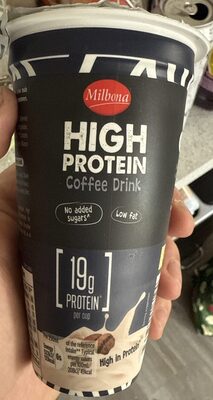
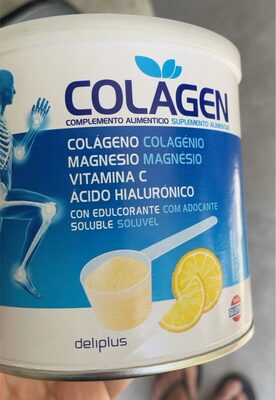
Nutrition per 100 g
| Nutrient | High Protein Coffee Drink | Colagen sabor limón |
|---|---|---|
| Nutri-Score | — | — |
| NOVA group | 4 | 4 |
| Calories | 49 kcal | 336 kcal |
| Fat | 0.1 g | 0 g |
| Saturated fat | 0.1 g | 0 g |
| Sugars | 4.2 g | 0.1 g |
| Salt | 0.1 g | 0.3 g |
| Fiber | 0.2 g | 0 g |
| Protein | 7.7 g | 75 g |
| Additives | 1 | 2 |
| Allergens | Milk | None listed |
Green = better value for that nutrient (less sugar, fat, salt and calories; more fiber and protein).
Key differences
- High Protein Coffee Drink has 85% fewer calories (49 kcal vs 336 kcal).
- Colagen sabor limón has 98% less sugar (0.1 g vs 4.2 g).
- Colagen sabor limón has 90% more protein (75 g vs 7.7 g).
- Only High Protein Coffee Drink lists: Milk.
Ingredients
High Protein Coffee Drink
Coffee VIA GB IE Lactose free*** coffee flavoured drink made with milk protein and skimmed milk with sweeteners. CONTAINS NATURALLY OCCURRING SUGARS Ingredients 60% Milk Protein, 20% Coffee, 19% Skimmed Milk, Stabilisers: Sodium Carbonates Potassium Phosphates Sweeteners: Sucralose, Acesulfame Lactase. *** Contains less than 0.1g of lactose per 100g Rainforest Alliance Certified. Find out more at ra.org. Allergy Advice
Colagen sabor limón
Colágeno hidrolizado porcino, Citrato de magnesio, Aroma de limón, Maltodextrina, Regulador de acidez (Acido citrico), Edulcorante (Sucralosa), Vitamina C (Ácido L-ascórbico), Hialuronato sódico
FAQ
Which is healthier: High Protein Coffee Drink or Colagen sabor limón?
Overall, Colagen sabor limón has the better nutritional profile on the measures we compare. We compare Nutri-Score, processing level and seven nutrients per 100 g. Your own needs (for example low sugar or high protein) may make a different choice better for you.
Which has fewer calories?
High Protein Coffee Drink has fewer calories: 49 kcal versus 336 kcal per 100 g.
Which has less sugar?
Colagen sabor limón has less sugar: 0.1 g versus 4.2 g per 100 g.