
Greek Yogurt with Probiotics vs Yogur líquido natural con azúcar de caña
Overall, Greek Yogurt with Probiotics has the better nutritional profile on the measures we compare. It wins on 4 of our comparison points versus 3.
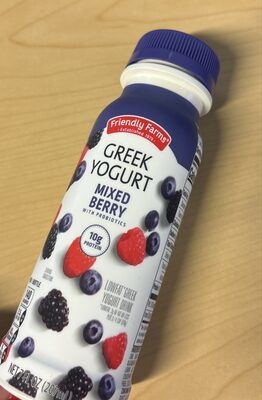
Greek Yogurt with Probiotics

Yogur líquido natural con azúcar de caña
Nutrition per 100 g
| Nutrient | Greek Yogurt with Probiotics | Yogur líquido natural con az... |
|---|---|---|
| Nutri-Score | c | e |
| NOVA group | 4 | 3 |
| Calories | 68 kcal | 69 kcal |
| Fat | 1.7 g | 1 g |
| Saturated fat | 1.2 g | 0.7 g |
| Sugars | 6.8 g | 12.2 g |
| Salt | 0.1 g | 0.1 g |
| Fiber | 0.5 g | — |
| Protein | 4.8 g | 2.7 g |
| Additives | 2 | 0 |
| Allergens | Milk | Milk |
Green = better value for that nutrient (less sugar, fat, salt and calories; more fiber and protein).
Key differences
- Yogur líquido natural con azúcar de caña has 41% less fat (1 g vs 1.7 g).
- Yogur líquido natural con azúcar de caña has 42% less saturated fat (0.7 g vs 1.2 g).
- Greek Yogurt with Probiotics has 45% less sugar (6.8 g vs 12.2 g).
- Greek Yogurt with Probiotics has 44% more protein (4.8 g vs 2.7 g).
- Greek Yogurt with Probiotics has the better Nutri-Score.
- Yogur líquido natural con azúcar de caña is less processed (lower NOVA group).
Ingredients
Greek Yogurt with Probiotics
Cultured lowfat milk, water, cane sugar, blueberries, raspberries, blackberries, fruit pectin, natural flavors, lemon juice concentrate, fruit juice concentrate (for color), chicory root fiber, locust bean gum. Contains: milk.
Yogur líquido natural con azúcar de caña
Leche parcialmente desnatada, azúcar de cana (7,6%), lactose, fermentos lácteos proteínas do leite.
FAQ
Which is healthier: Greek Yogurt with Probiotics or Yogur líquido natural con azúcar de caña?
Overall, Greek Yogurt with Probiotics has the better nutritional profile on the measures we compare. We compare Nutri-Score, processing level and seven nutrients per 100 g. Your own needs (for example low sugar or high protein) may make a different choice better for you.
Which has fewer calories?
Greek Yogurt with Probiotics has fewer calories: 68 kcal versus 69 kcal per 100 g.
Which has less sugar?
Greek Yogurt with Probiotics has less sugar: 6.8 g versus 12.2 g per 100 g.