
Diet Cranberry vs Isotonic electrilytes restart
Overall, Diet Cranberry has the better nutritional profile on the measures we compare. It wins on 2 of our comparison points versus 0.
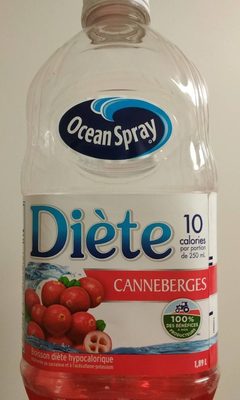
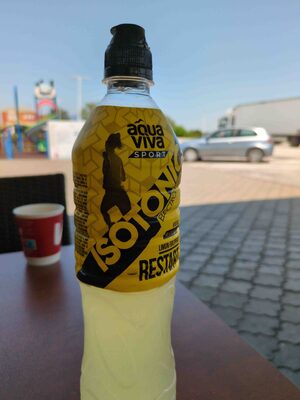
Nutrition per 100 g
| Nutrient | Diet Cranberry | Isotonic electrilytes restar... |
|---|---|---|
| Nutri-Score | — | — |
| NOVA group | 4 | 4 |
| Calories | 5 kcal | 16 kcal |
| Fat | 0 g | 0 g |
| Saturated fat | 0 g | — |
| Sugars | 0 g | 3.1 g |
| Salt | 0.1 g | 0.1 g |
| Protein | 0 g | 0 g |
| Additives | 7 | 2 |
| Allergens | None listed | None listed |
Green = better value for that nutrient (less sugar, fat, salt and calories; more fiber and protein).
Key differences
- Diet Cranberry has 70% fewer calories (5 kcal vs 16 kcal).
- Diet Cranberry has no sugar, while Isotonic electrilytes restart has 3.1 g.
Ingredients
Diet Cranberry
EAU FILTRÉE, JUS DE CANNEBERGE RECONSTITUE ARÔME NATUREL, PECTINE, ACIDE CITRIQUE, ACIDE FUMARIQUE, ACIDE ASCORBIQUE (VITAMINE C), CITRATE DE SODIUM, SUCRALOSE (39 MG/250 ML), ACESULFAME-POTASSIUM (8 MG/250 ML), ROUGE ALLURA
Isotonic electrilytes restart
SPORT RT-Negazirano osvežavajuće/osvježavajuće bezalkoholno pića sa grejpfruta, sa zasladivačem. Male/niske energetske vrednost sing, kiselina/kiselina: limunska kiselina/kisjelina, mešavina/ ve/kaljeve soli ortofosforne kiseline/kisjeline (K 232 mg/l), 309 mg/1), natrijum/natri-citrat (Na 260 mg/l), magnezijum/ um/kalcijHaktat (Ca 50 mg/1)], arome, antioksidans: askorbinska /ka-sorbat, natrijum/natri-benzoat; koncentrat šafranike i limuna placid, stabilizatori: E 414, E 445. Prosečna hranljiva vrednost aniva vrijednost na 100 ml/750 ml: Energija 68 kJ/
FAQ
Which is healthier: Diet Cranberry or Isotonic electrilytes restart?
Overall, Diet Cranberry has the better nutritional profile on the measures we compare. We compare Nutri-Score, processing level and seven nutrients per 100 g. Your own needs (for example low sugar or high protein) may make a different choice better for you.
Which has fewer calories?
Diet Cranberry has fewer calories: 5 kcal versus 16 kcal per 100 g.
Which has less sugar?
Diet Cranberry has less sugar: 0 g versus 3.1 g per 100 g.