
Dalmatinska juha vs Rosół z kury z makaronem
Neither product is clearly better overall — it depends on what matters most to you.
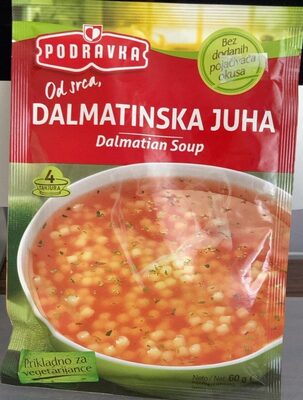
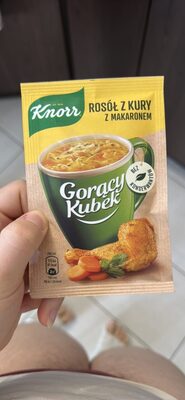
Nutrition per 100 g
| Nutrient | Dalmatinska juha | Rosół z kury z makaronem |
|---|---|---|
| Nutri-Score | — | c |
| NOVA group | 4 | 4 |
| Calories | 20 kcal | 23 kcal |
| Fat | 0.5 g | 0.3 g |
| Saturated fat | 0.2 g | 0.1 g |
| Sugars | 1 g | 0.8 g |
| Salt | 1 g | 1 g |
| Fiber | 0.5 g | 0.3 g |
| Protein | 0.6 g | 0.6 g |
| Additives | 0 | 1 |
| Allergens | Gluten | Gluten |
Green = better value for that nutrient (less sugar, fat, salt and calories; more fiber and protein).
Ingredients
Dalmatinska juha
pasta 50% (durum WHEAT semolina), iodized salt (salt, potassium iodate), sugar, dried tomatoes 7.2%, palm fat, WHEAT flour, maltodextrin, yeast extracts, flavoring, dried onion, spices, parsley leaves, dried garlic, nutmeg, corn starch.
Rosół z kury z makaronem
pasta (37 %) (flour wheat semolina, salt), glucose syrup, salt, starch, sugar, yeast extract, flavourings, palm fat, carrots (1,8 %), chicken fat (1,1 %), turmeric, pepper, parsley root, onion, parsley, chicken meat (0,3 %), leek, antioxidant: rosemary extracts
FAQ
Which is healthier: Dalmatinska juha or Rosół z kury z makaronem?
Neither product is clearly better overall — it depends on what matters most to you. We compare Nutri-Score, processing level and seven nutrients per 100 g. Your own needs (for example low sugar or high protein) may make a different choice better for you.
Which has fewer calories?
Dalmatinska juha has fewer calories: 20 kcal versus 23 kcal per 100 g.
Which has less sugar?
Rosół z kury z makaronem has less sugar: 0.8 g versus 1 g per 100 g.