
Crisp hazelnut and milk chocolates vs Cereali
Overall, Crisp hazelnut and milk chocolates has the better nutritional profile on the measures we compare. It wins on 2 of our comparison points versus 1.
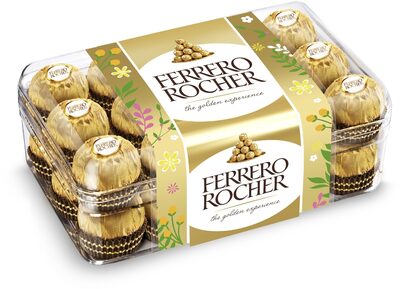
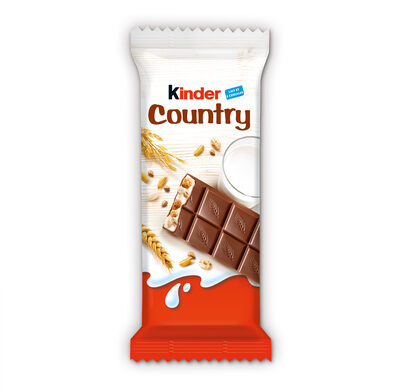
Nutrition per 100 g
| Nutrient | Crisp hazelnut and milk choc... | Cereali |
|---|---|---|
| Nutri-Score | e | e |
| NOVA group | 4 | 4 |
| Calories | 603 kcal | 561 kcal |
| Fat | 42.7 g | 33.8 g |
| Saturated fat | 14.1 g | 21.9 g |
| Sugars | 39.9 g | 49.1 g |
| Salt | 0.2 g | 0.3 g |
| Protein | 8.2 g | 8.6 g |
| Additives | 1 | 1 |
| Allergens | Gluten, Milk, Nuts, Soybeans | Gluten, Milk, Soybeans |
Green = better value for that nutrient (less sugar, fat, salt and calories; more fiber and protein).
Key differences
- Cereali has 21% less fat (33.8 g vs 42.7 g).
- Crisp hazelnut and milk chocolates has 36% less saturated fat (14.1 g vs 21.9 g).
- Crisp hazelnut and milk chocolates has 19% less sugar (39.9 g vs 49.1 g).
- Only Crisp hazelnut and milk chocolates lists: Nuts.
Ingredients
Crisp hazelnut and milk chocolates
milk chocolate 30% (sugar, cocoa butter, cocoa paste, skimmed milk powder, concentrated butter, emulsifiers : lecithins [ soy ], vanillin), hazelnuts 28,5 per cent, sugar, palm oil, wheat flour , whey powder, lean cocoa, emulsifiers : lecithins [ soy ], baking powder : carbonate sodium acid, salt, vanillin
Cereali
higher milk chocolate 33,5% (sugar, cocoa butter, milk powder, cocoa paste, emulsifiers: lecithins [soy], vanillin), sugar, skimmed milk powder, palm oil, concentrated butter, barley, rice, wheat, epe, emulsifiers: lecithins [soy], buckwheat, vanillin
FAQ
Which is healthier: Crisp hazelnut and milk chocolates or Cereali?
Overall, Crisp hazelnut and milk chocolates has the better nutritional profile on the measures we compare. We compare Nutri-Score, processing level and seven nutrients per 100 g. Your own needs (for example low sugar or high protein) may make a different choice better for you.
Which has fewer calories?
Cereali has fewer calories: 561 kcal versus 603 kcal per 100 g.
Which has less sugar?
Crisp hazelnut and milk chocolates has less sugar: 39.9 g versus 49.1 g per 100 g.