
Comté le Montarlier affiné 6 mois vs Butterkäse
Overall, Comté le Montarlier affiné 6 mois has the better nutritional profile on the measures we compare. It wins on 4 of our comparison points versus 3.
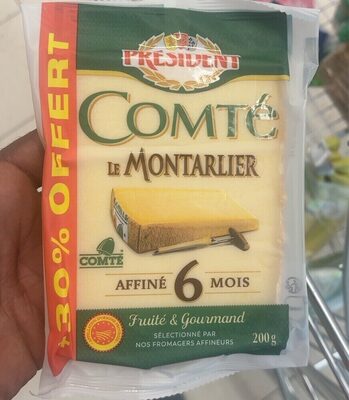
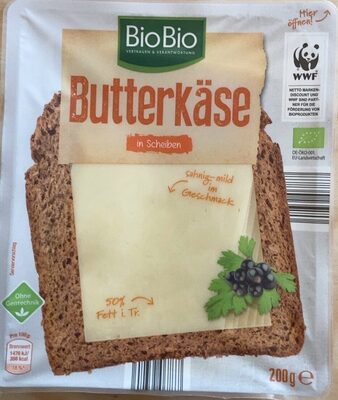
Nutrition per 100 g
| Nutrient | Comté le Montarlier affiné 6... | Butterkäse |
|---|---|---|
| Nutri-Score | c | d |
| NOVA group | — | — |
| Calories | 410 kcal | 356 kcal |
| Fat | 34 g | 29.5 g |
| Saturated fat | 24 g | 19.8 g |
| Sugars | 0 g | 0.1 g |
| Salt | 0.6 g | 1.5 g |
| Fiber | 0 g | — |
| Protein | 26 g | 22.5 g |
| Additives | 0 | 0 |
| Allergens | Milk | None listed |
Green = better value for that nutrient (less sugar, fat, salt and calories; more fiber and protein).
Key differences
- Butterkäse has 13% fewer calories (356 kcal vs 410 kcal).
- Butterkäse has 13% less fat (29.5 g vs 34 g).
- Butterkäse has 17% less saturated fat (19.8 g vs 24 g).
- Comté le Montarlier affiné 6 mois has 63% less salt (0.6 g vs 1.5 g).
- Comté le Montarlier affiné 6 mois has 13% more protein (26 g vs 22.5 g).
- Comté le Montarlier affiné 6 mois has the better Nutri-Score.
- Only Comté le Montarlier affiné 6 mois lists: Milk.
Ingredients
Comté le Montarlier affiné 6 mois
FR Comté (fromage à pâte pressée cuite, au lait cru). Afin de mieux profiter de toute la saveur de votre Comté Président, nous vous conseillons de le consommer dans les & jours suivant l'ouverture du sachet. Conditionné Sous atmosphère protectrice. Comté: French full fat hard cheese made from unpasteurised cow's milk. Raw cow's milk, salt, cultures. Packaged in a protective atmosphere. Average
Butterkäse
Not available.
FAQ
Which is healthier: Comté le Montarlier affiné 6 mois or Butterkäse?
Overall, Comté le Montarlier affiné 6 mois has the better nutritional profile on the measures we compare. We compare Nutri-Score, processing level and seven nutrients per 100 g. Your own needs (for example low sugar or high protein) may make a different choice better for you.
Which has fewer calories?
Butterkäse has fewer calories: 356 kcal versus 410 kcal per 100 g.
Which has less sugar?
Comté le Montarlier affiné 6 mois has less sugar: 0 g versus 0.1 g per 100 g.