
Capri-Sun zero multi vitamin vs Melocóton
Overall, Capri-Sun zero multi vitamin has the better nutritional profile on the measures we compare. It wins on 4 of our comparison points versus 1.
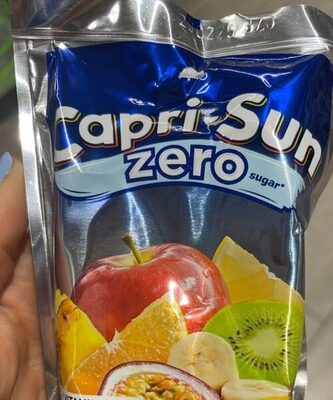
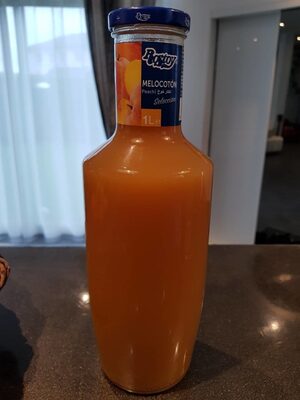
Nutrition per 100 g
| Nutrient | Capri-Sun zero multi vitamin | Melocóton |
|---|---|---|
| Nutri-Score | c | e |
| NOVA group | 4 | — |
| Calories | 3 kcal | 55 kcal |
| Fat | 0 g | 0 g |
| Saturated fat | — | 0 g |
| Sugars | 0.5 g | 13.3 g |
| Salt | 0 g | 0 g |
| Protein | 0 g | 0.3 g |
| Additives | 1 | 0 |
| Allergens | None listed | None listed |
Green = better value for that nutrient (less sugar, fat, salt and calories; more fiber and protein).
Key differences
- Capri-Sun zero multi vitamin has 95% fewer calories (3 kcal vs 55 kcal).
- Capri-Sun zero multi vitamin has 96% less sugar (0.5 g vs 13.3 g).
- Melocóton has 100% more protein (0.3 g vs 0 g).
- Capri-Sun zero multi vitamin has the better Nutri-Score.
Ingredients
Capri-Sun zero multi vitamin
FBoisson aux jus de fruits Ingrédients: eau de source jus d'oran citrique, jus de fruit de la passion thiamine (B1), biotine, sucralose, cycla (à partir de concentrés) A consomm zoetstof. Vruchtgehalte 7%. Ingred Cyclamate saccharin, as acid, passionimit ju GRUZON LOSTION (0,3%) natuurli 5 sachari 4 000177 030035 voorkar med se koncent 0.2%, pa aromaer och sack topben el edulcora piña* 0.39 citrico, zun B6, Vitami ascórbico. delantera o 200 mle
Melocóton
peraiou reatonidant ascorbinezuur, Pfirsichnektar, Fruchtanteil: mindstes Saerungsmittel: Zitronensäure und Antioxidationsmittel:Ascotisia medos): Valor energético 233 kj/
FAQ
Which is healthier: Capri-Sun zero multi vitamin or Melocóton?
Overall, Capri-Sun zero multi vitamin has the better nutritional profile on the measures we compare. We compare Nutri-Score, processing level and seven nutrients per 100 g. Your own needs (for example low sugar or high protein) may make a different choice better for you.
Which has fewer calories?
Capri-Sun zero multi vitamin has fewer calories: 3 kcal versus 55 kcal per 100 g.
Which has less sugar?
Capri-Sun zero multi vitamin has less sugar: 0.5 g versus 13.3 g per 100 g.