
Café Latte vs High Protein Café
Neither product is clearly better overall — it depends on what matters most to you.
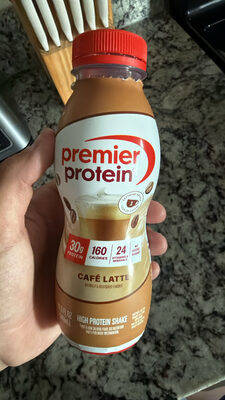
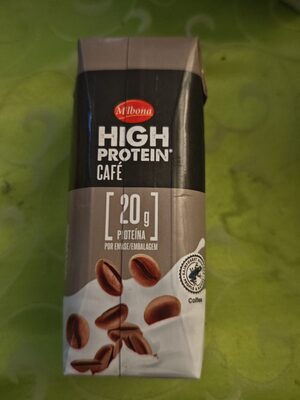
Nutrition per 100 g
| Nutrient | Café Latte | High Protein Café |
|---|---|---|
| Nutri-Score | — | c |
| NOVA group | 4 | 4 |
| Calories | 47 kcal | 55 kcal |
| Fat | 0.9 g | 0.2 g |
| Saturated fat | 0.3 g | 0.1 g |
| Sugars | 0.3 g | 5 g |
| Salt | 0.6 g | 0.1 g |
| Fiber | 0.3 g | 0.5 g |
| Protein | 8.8 g | 8 g |
| Additives | 9 | 3 |
| Allergens | Milk, Soybeans | None listed |
Green = better value for that nutrient (less sugar, fat, salt and calories; more fiber and protein).
Key differences
- Café Latte has 14% fewer calories (47 kcal vs 55 kcal).
- High Protein Café has 77% less fat (0.2 g vs 0.9 g).
- Café Latte has 94% less sugar (0.3 g vs 5 g).
- High Protein Café has 82% less salt (0.1 g vs 0.6 g).
- Only Café Latte lists: Milk, Soybeans.
Ingredients
Café Latte
WATER, MILK PROTEIN CONCENTRATE, CALCIUM CASEINATE, COCOA POWDER (PROCESSED WITH ALKALI), HIGH OLEIC SUNFLOWER OIL, SOYBEAN OIL, NATURAL AND ARTIFICIAL FLAVORS, COFFEE EXTRACT, CAFFEINE, INULIN, CELLULOSE GEL, CELLULOSE GUM, SALT, SUCRALOSE, ACESULFAME POTASSIUM, CARRAGEENAN, TRIPOTASSIUM PHOSPHATE, DIPOTASSIUM PHOSPHATE, SODIUM HEXAMETAPHOSPHATE, VITAMIN MINERAL BLEND (DL - ALPHA-TOCOPHERYL ACETATE (VITAMIN E), ZINC GLYCINATE CHELATE, FERRIC ORTHOPHOSPHATE, VITAMIN A PALMITATE, NIACINAMIDE, PHYTONADIONE (VITAMIN K1), POTASSIUM IODIDE, CHOLECALCIFEROL (VITAMIN D3), COPPER GLUCONATE, CALCIUM D-PANTOTHENATE, MANGANESE SULFATE, SODIUM SELENITE, BIOTIN, SODIUM MOLYBOATE, FOLIC ACID, THIAMINE MONONITRATE (VITAMIN B1), CYANOCOBALAMIN (VITAMIN B12), PYRIDOXINE HYDROCHLORIDE (VITAMIN B6), RIBOFLAVIN (VITAMIN B2), CHROMIUM POLYNICOTINATE), MAGNESIUM PHOSPHATE, SODIUM ASCORBATE.
High Protein Café
Leche desnatada filtrada, 1% achicoria y café soluble** estabilizantes: celulosa, carboximetilcelulosa sódica; edulcorantes: sucralosa, acesulfamo K. **Certificado Rainforest Alliance. ra.org. Producto sin lactosa. Contenido elevado de cafeína: No recomendado para niños ni mujeres embarazadas o en periodo de lactancia (cafeína: 6 mg/100 ml). Consumir preferentemente antes del: ver parte superior. Conservar en un lugar fresco y seco. Agitar bien antes de abrir. No hervir. Sugerencia de presentación Sugestão de apresentação PT Leite magro filtrado com chicória café, UHT. Contém edulcorantes. Sem lactose. Contém cafeína. *Alto teor em proteina, 8g por 100 ml. Não recomendado a crianças nem a grávidas (6 mg/100 ml). Ingredientes: leite magro filtrado, 1% chicoria e café solúvel, estabilizadores: celulose, goma de celulose; edulcorantes: sucralose, acessulfame K.**Certificado Rainforest Alliance. Mais informações em www.ra.org. Teor de lactose: <0,01 g/100 ml. Consumir de preferência antes de: ver topo. Conservar em local seco fresco. Depois de aberto, conservar no frigorifico e consumir no prazo de 3 dias. Agitar bem antes de abrir. Não deve ser fervido. ALLIA K NATURE Coffee Noidal, Rua António Sérgio S/N PT-3720-231 Oliveira de Azeméis PT BLT 10 250 ml UE
FAQ
Which is healthier: Café Latte or High Protein Café?
Neither product is clearly better overall — it depends on what matters most to you. We compare Nutri-Score, processing level and seven nutrients per 100 g. Your own needs (for example low sugar or high protein) may make a different choice better for you.
Which has fewer calories?
Café Latte has fewer calories: 47 kcal versus 55 kcal per 100 g.
Which has less sugar?
Café Latte has less sugar: 0.3 g versus 5 g per 100 g.