
Blood orange vs Elderflower Mint
Neither product is clearly better overall — it depends on what matters most to you.
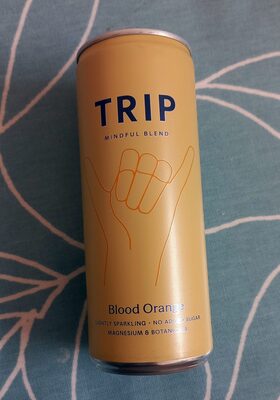
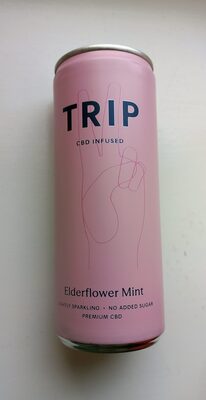
Nutrition per 100 ml
| Nutrient | Blood orange | Elderflower Mint |
|---|---|---|
| Nutri-Score | — | — |
| NOVA group | 4 | 4 |
| Calories | 10 kcal | 8 kcal |
| Sugars | 1.7 g | 1.5 g |
| Additives | 3 | 3 |
| Allergens | Orange | Apple, Soybeans |
Green = better value for that nutrient (less sugar, fat, salt and calories; more fiber and protein).
Key differences
- Only Blood orange lists: Orange.
- Only Elderflower Mint lists: Apple, Soybeans.
Ingredients
Blood orange
Carbonated water, fruit juices from concentrate (orange, blood orange 5%, lime), flavour enhancer (erythritol), magnesium citrate, acidity regulator (citric acid), lion's mane extract, natural flavourings, botanical extracts (lemon balm, chamomile), sweetener (steviol glycosides from stevia).
Elderflower Mint
Sparkling water, fruit juices from concentrate 21% (apple, grapefruit), flavour enhancer (erythritol), botanical extracts (elderflower, mint, lemon balm, chamomile), citric acid, natural sweetener (steviol glycosides from stevia), L-theanine, CBD (_soya_).
FAQ
Which is healthier: Blood orange or Elderflower Mint?
Neither product is clearly better overall — it depends on what matters most to you. We compare Nutri-Score, processing level and seven nutrients per 100 g. Your own needs (for example low sugar or high protein) may make a different choice better for you.
Which has fewer calories?
Elderflower Mint has fewer calories: 8 kcal versus 10 kcal per 100 g.
Which has less sugar?
Elderflower Mint has less sugar: 1.5 g versus 1.7 g per 100 g.