
Apple & Blackcurrant vs Schweppes citron 1l
Overall, Apple & Blackcurrant has the better nutritional profile on the measures we compare. It wins on 4 of our comparison points versus 0.
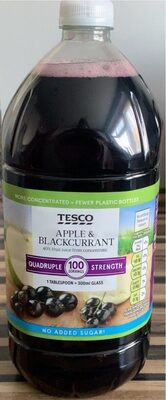
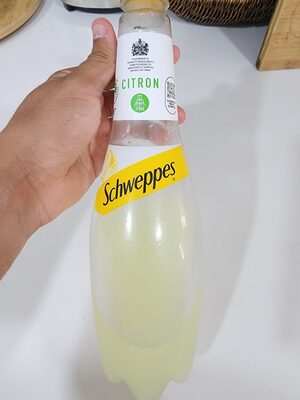
Nutrition per 100 g
| Nutrient | Apple & Blackcurrant | Schweppes citron 1l |
|---|---|---|
| Nutri-Score | c | d |
| NOVA group | 4 | 4 |
| Calories | 1 kcal | 19 kcal |
| Fat | 0.1 g | 0 g |
| Saturated fat | 0.1 g | — |
| Sugars | 0.2 g | 4.4 g |
| Salt | 0.1 g | 0 g |
| Fiber | 0.1 g | — |
| Protein | 0.1 g | 0 g |
| Additives | 8 | 2 |
| Allergens | None listed | None listed |
Green = better value for that nutrient (less sugar, fat, salt and calories; more fiber and protein).
Key differences
- Apple & Blackcurrant has 95% fewer calories (1 kcal vs 19 kcal).
- Apple & Blackcurrant has 95% less sugar (0.2 g vs 4.4 g).
- Apple & Blackcurrant has the better Nutri-Score.
Ingredients
Apple & Blackcurrant
STOR Water, Apple Juice from Concentrate (36%), Blackcurrant Juice from Concentrate (4%), Citric Acid, separatio Acidity Regulator (Sodium Citrate), Malic Acid, Colour (Anthocyanins), Sweeteners (Sucralose, Acesulfame K), Preservatives (Potassium Sorbate, Sodium Metabisulphite), Flavourings. Allergy Advice For allergens, see ingredients in bold. Store in Best befc of bottle. shake wel. NUTRI When dilut to instructi Typical valu Energy Fat of which satu Carbohydrate of which suga Fibre Protein Salt Suitable for vegans Tesco Stores Ltd., Welwyn Pack contains *Reference intak average adult (8400KJ/2000 Contains natura Occurring sugars House, Marine Road,
Schweppes citron 1l
sugar, concentrated lemon juice, sweeteners: E955 ,E950
FAQ
Which is healthier: Apple & Blackcurrant or Schweppes citron 1l?
Overall, Apple & Blackcurrant has the better nutritional profile on the measures we compare. We compare Nutri-Score, processing level and seven nutrients per 100 g. Your own needs (for example low sugar or high protein) may make a different choice better for you.
Which has fewer calories?
Apple & Blackcurrant has fewer calories: 1 kcal versus 19 kcal per 100 g.
Which has less sugar?
Apple & Blackcurrant has less sugar: 0.2 g versus 4.4 g per 100 g.