
1L Rhum Blanc Agricole Aoc Valois vs EL RON DE CUBA Havana Club IN CUBA % vol. MADE AND
Overall, 1L Rhum Blanc Agricole Aoc Valois has the better nutritional profile on the measures we compare. It wins on 1 of our comparison points versus 0.
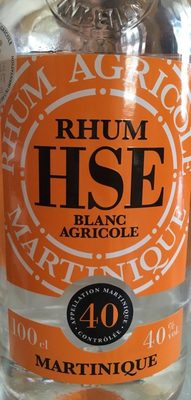
1L Rhum Blanc Agricole Aoc Valois
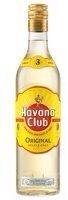
EL RON DE CUBA Havana Club IN CUBA % vol. MADE AND
Nutrition per 100 g
| Nutrient | 1L Rhum Blanc Agricole Aoc V... | EL RON DE CUBA Havana Club I... |
|---|---|---|
| Nutri-Score | — | — |
| NOVA group | 3 | — |
| Calories | 0 kcal | 1 kcal |
| Fat | 0 g | 0 g |
| Saturated fat | 0 g | 0 g |
| Sugars | 0 g | 0.3 g |
| Salt | 0 g | — |
| Fiber | 0 g | — |
| Protein | 0 g | 0 g |
| Additives | 0 | 0 |
| Allergens | None listed | None listed |
Green = better value for that nutrient (less sugar, fat, salt and calories; more fiber and protein).
Key differences
- 1L Rhum Blanc Agricole Aoc Valois has no sugar, while EL RON DE CUBA Havana Club IN CUBA % vol. MADE AND has 0.3 g.
Ingredients
1L Rhum Blanc Agricole Aoc Valois
Rhum blanc agricole
EL RON DE CUBA Havana Club IN CUBA % vol. MADE AND
Havana Club HAVANA CLUB ORIGINAL IS A WHITE CUBAN RUM SMOOTH AND BALANCED, AGED NATURALLY FOR 3 YEARS TO REVEAL ITS TYPICAL COLOUR AND AN INTENSE AROMA ITS COMPLEX FLAVOUR HAS ESTABLISHED IT AS THE IDEAL RUM FOR COCKTAILS IN CUBA SUCH AS THE MOJITO OR THE DAIQUIRI. 263kJ = 63kcal for 100ml-875k/209kcal 70cl 37,5% vol 8501110 088831"> - 18 Pernod Ricard S.A., 5 cours Paul Ricard 75008 Paris, France
FAQ
Which is healthier: 1L Rhum Blanc Agricole Aoc Valois or EL RON DE CUBA Havana Club IN CUBA % vol. MADE AND?
Overall, 1L Rhum Blanc Agricole Aoc Valois has the better nutritional profile on the measures we compare. We compare Nutri-Score, processing level and seven nutrients per 100 g. Your own needs (for example low sugar or high protein) may make a different choice better for you.
Which has fewer calories?
1L Rhum Blanc Agricole Aoc Valois has fewer calories: 0 kcal versus 1 kcal per 100 g.
Which has less sugar?
1L Rhum Blanc Agricole Aoc Valois has less sugar: 0 g versus 0.3 g per 100 g.